Functional Range Assessment
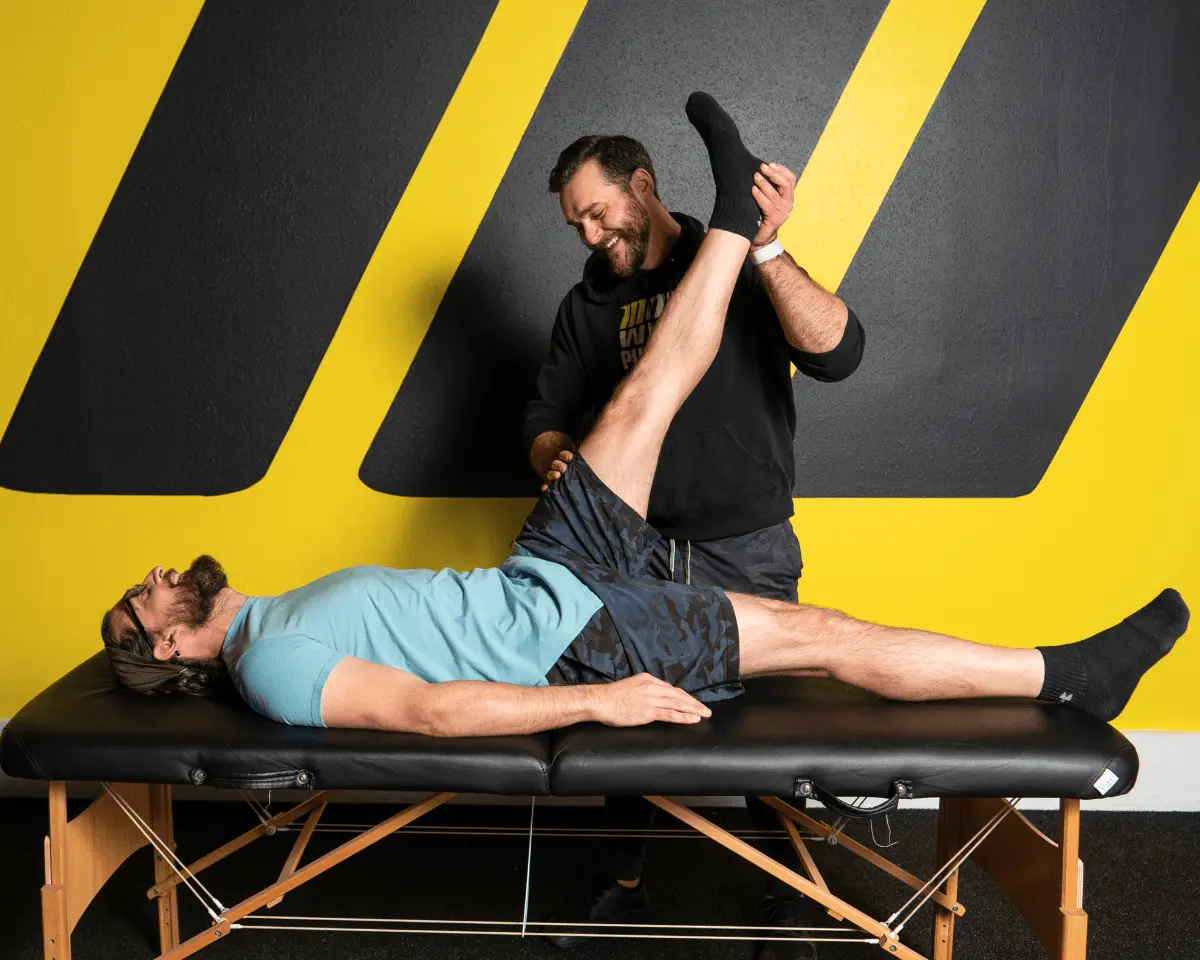
The Functional Range Assessment is a joint-by-joint evaluation of how your body actually moves. It measures each joint’s passive range, active control, and the gap between the two. That data becomes the foundation for every training decision that follows.
Results Guaranteed
The FRA creates objective baselines for each joint—measurable starting points that let us track real progress over time. If something hurts or feels limited, the assessment shows us where the breakdown is, not just where the symptom shows up.
You leave knowing more about how your body moves than most people ever find out. And you leave with a clear direction for what to do about it.
01
The Problem
Chronic pain and limited movement rarely fix themselves. Stretching more or pushing harder usually isn’t the answer. Most people who’ve tried that already know it.
The real issue is that most training never addresses the underlying cause. It works around the problem, or ignores it entirely, until something forces the issue.
The Functional Range Assessment is how we stop guessing and start working on what’s actually limiting you.
02
The Process
Most fitness assessments look at a handful of movement patterns and call it done. Can you squat? Can you hinge? That tells you something, but not much.
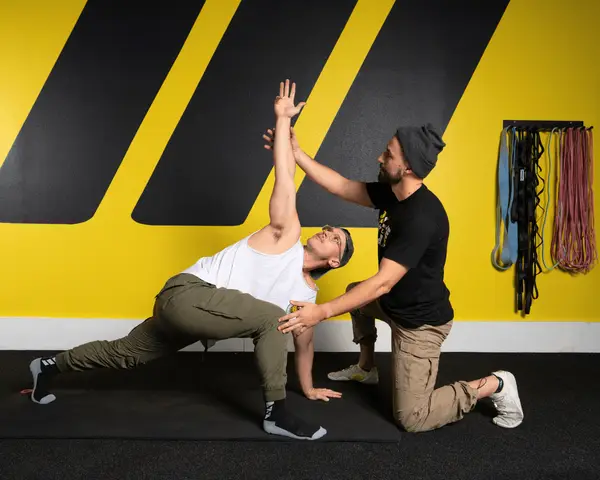
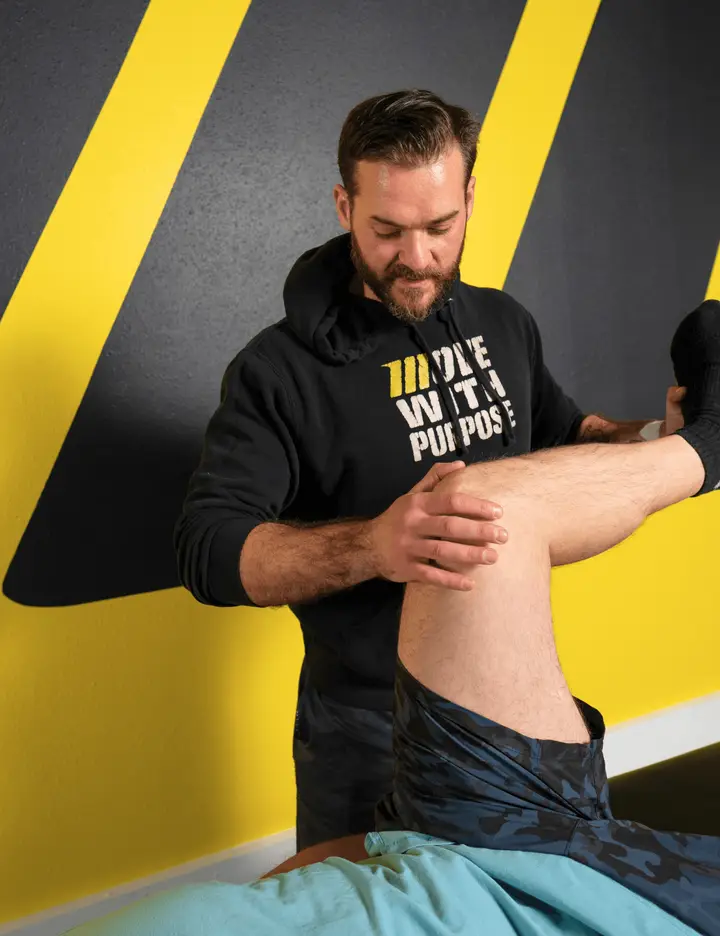
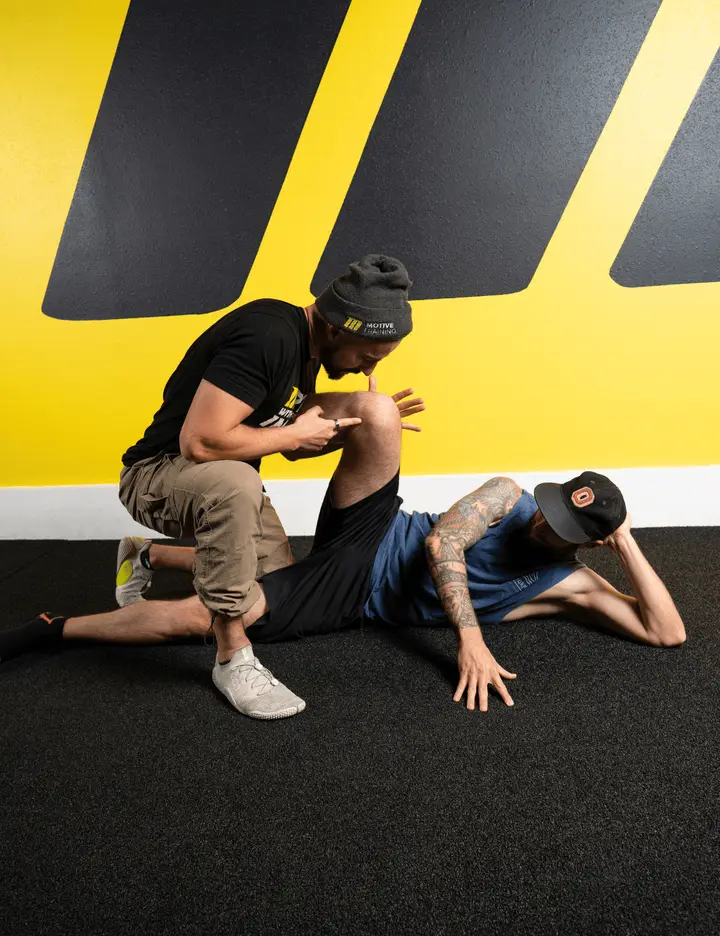
The FRA goes further. We measure each joint individually—looking at passive range, active control, and the gap between the two. That gap is where most people’s problems live, and it’s what most programs never address.
From there, we can see how each joint coordinates with the others and identify exactly what’s limiting your movement, your training, and in many cases your ability to stay out of pain.
03
What the FRA Measures
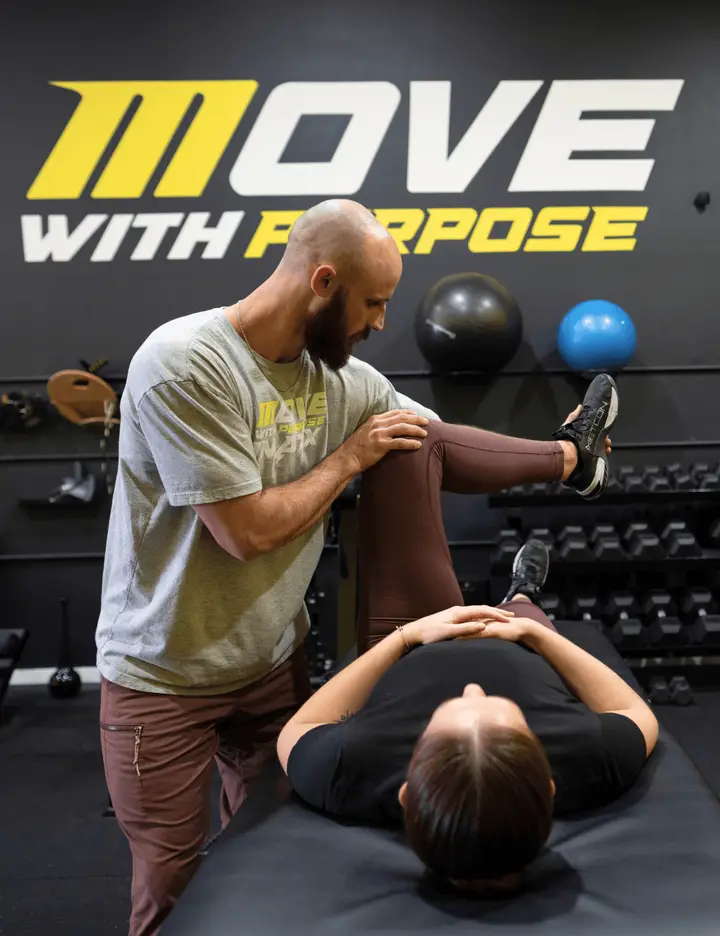
The FRA is built on the Functional Range Conditioning methodology developed by Dr. Andreo Spina. Every major joint in the body is assessed individually for:
- Passive range of motion — how far the joint moves when you’re not controlling it
- Active range of motion — how much of that range your nervous system will actually let you use
- The active-to-passive gap — the space between what your body can do and what it can control
That gap is not a flexibility problem. It is a control problem, and it is where injury risk lives. The FRA makes it visible and measurable.
04
What You Leave With
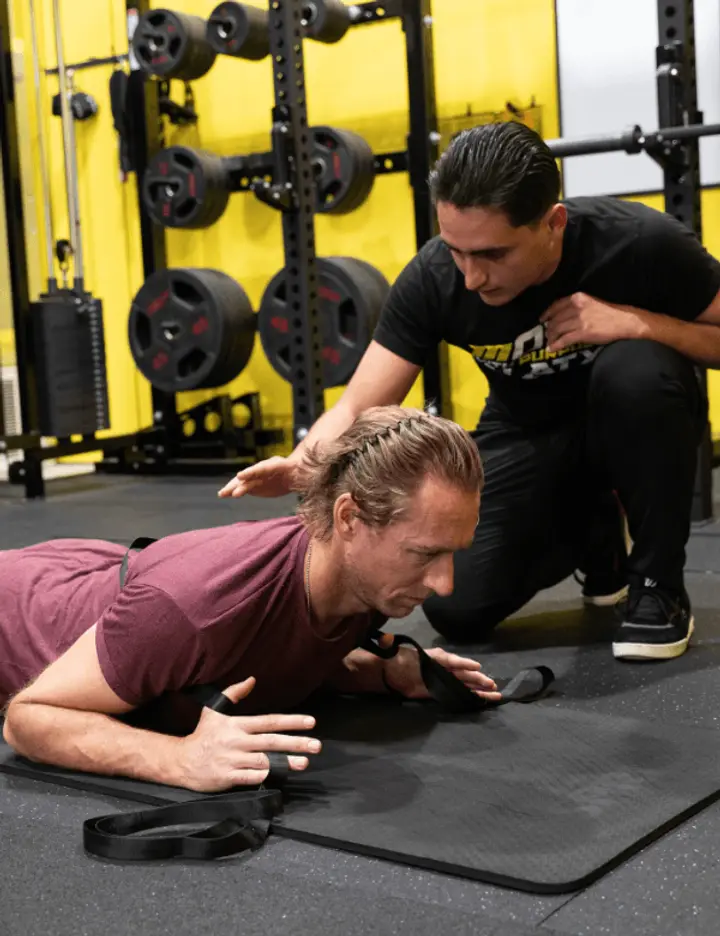
After the FRA, you don’t leave with a generic list of exercises. You leave with a thorough breakdown of what each joint can and can’t do, where the most significant limitations are, and exactly what needs to be addressed first—and why.
That information becomes the foundation for everything that follows: your training priorities, your program structure, and a baseline you can measure real progress against over time.
- Joint-by-joint baseline scores across every major joint
- Clear identification of active-to-passive gaps and where control is missing
- Specific training priorities based on what your assessment actually shows
- A measurable starting point so progress is tracked, not assumed
05
Who the FRA Is For
The FRA is the right starting point if you want a complete picture of your movement capacity across every major joint, are already familiar with Functional Range Conditioning and want objective baseline data, or are dealing with complex or longstanding restrictions that haven’t responded to other approaches.
If you are newer to this type of training or are coming in with a specific complaint or goal, the Motive Movement & Mobility Assessment may be the better starting point. If you are unsure, reach out and we will point you in the right direction.
Pricing
Book your Functional Range Assessment
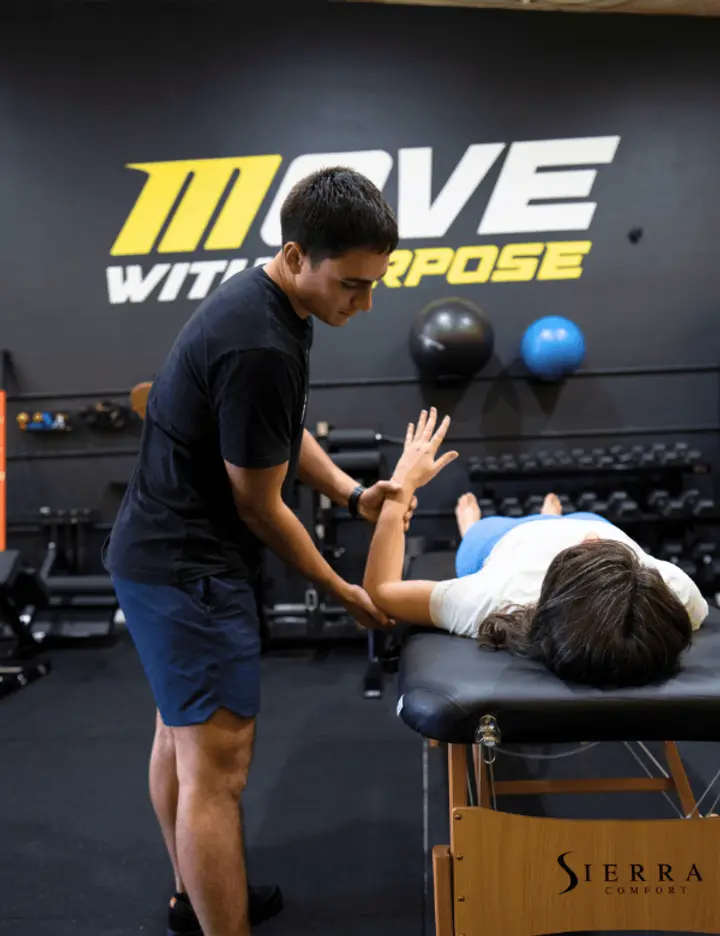
A comprehensive, joint-by-joint evaluation built on the FRC methodology: an initial assessment plus two one-hour follow-ups, with objective baseline data you can retest and track over time.
Comprehensive joint-by-joint
Functional Range Assessment (FRA)
$549 one-time
Initial assessment plus two one-hour follow-up sessions.
- Passive range, active control, and the active-to-passive gap, joint by joint
- Objective baseline scores you can retest and track over time
- Two follow-up sessions to review your data and teach the protocols
- Best for complex or longstanding restrictions, or seasoned FRC clients
Newer to this work, or coming in with one specific complaint? The Motive Movement & Mobility Assessment may be the better starting point.